Last updated: August 12, 2026
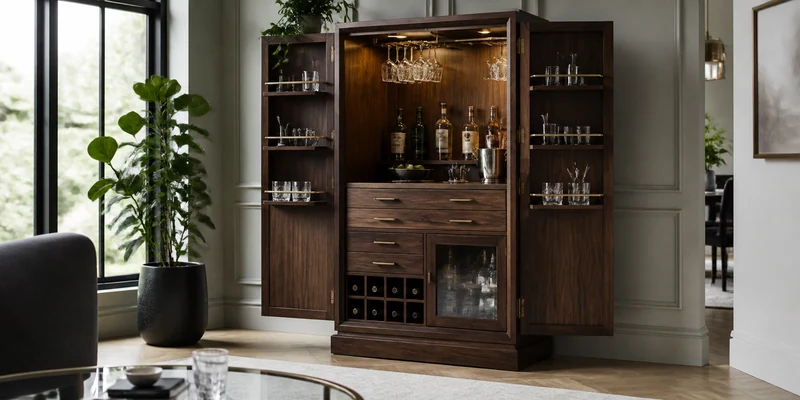
A bar cabinet turns a scattered collection of bottles, glasses, and tools into one intentional piece of furniture. Instead of a countertop cluster next to the coffee maker, you get closed storage for the everyday clutter, a display shelf for the bottles worth showing, and a surface to mix on when friends come over. It is the single most transformative purchase in building a home bar, which is exactly why the category is crowded with everything from elegant sideboards to wobbly particleboard boxes.
This guide is built to get you to the right cabinet fast. First a quick answer by situation, then the checklist that separates well built cabinets from regrettable ones, and finally our picks across styles, sizes, and budgets, each chosen because it solves a specific real-world setup rather than because it photographs well.
This article contains affiliate links. If you buy through them, we may earn a commission at no extra cost to you. Learn more.
Quick Answer
Which bar cabinet should you buy?
- For most homes: a tall cabinet with a wine rack, stemware racks, and closed lower storage. It holds a full setup in a small footprint and keeps dust off your glassware.
- For small rooms or renters: a compact or corner cabinet, or step down to a bar cart you can roll away.
- For a design statement: a mid-century or modern sideboard-style cabinet with a usable mixing surface on top.
Which Type Fits Your Situation?
Start with your room and your habits, not with the prettiest photo. The table below maps the most common situations to the type of bar cabinet that actually works there, with a link to our dedicated guide for each.
| Your situation | Best type | Why it works |
|---|---|---|
| Average living or dining room | Tall bar cabinet | Maximum storage per square foot, display up top, clutter hidden below |
| Apartment or tight floor plan | Small bar cabinet | Compact footprint, still separates display from storage |
| Awkward empty corner | Corner bar cabinet | Uses dead space a rectangular cabinet cannot reach |
| Design-forward interior | Mid-century or modern cabinet | Reads as furniture first, bar second |
| Rustic or country interior | Farmhouse bar cabinet | Barn-door and planked styles that match wood-heavy rooms |
| Kids or teens in the house | Locking bar cabinet | Keyed doors keep bottles out of reach without hiding the furniture |
| Chilled wine in the setup | Cabinet with fridge space | An open bay sized and ventilated for a compact wine fridge |
| You move often or host on the patio | Bar cart instead | Mobile and lighter; see the comparison below |
Still torn between a cabinet and a cart? Our comparison of the bar cabinet vs bar cart question walks through storage, mobility, and looks in detail.
What Separates a Good Bar Cabinet From a Cheap Box
The short version: material honesty, smart interior fittings, and stability. Most cabinets in this category are engineered wood, which is fine when the panels are thick and the hardware is metal, and disappointing when a listing hides thin particleboard behind glamour shots. Shipping weight is an honest clue, since a substantial cabinet is heavy and a flimsy one is not.
Interior fittings matter more than most buyers expect. A cabinet with a bottle rack, hanging stemware rails, and at least one adjustable shelf organizes itself. A cabinet that is just an empty cube with a door leaves you stacking bottles like groceries. Check for a back panel that accommodates cables if you ever want a light or a small fridge nearby, and check that the doors open past ninety degrees so you can actually reach the corners.
Glass doors, open shelves, or closed doors?
Glass doors show off bottles and glassware while keeping dust out, and they make a cabinet feel lighter in a room. Closed wood doors hide visual clutter completely and are the safer choice if your collection is more practical than photogenic. Open shelving looks great styled but demands regular dusting and constant tidiness. Many of the best cabinets mix all three: glass up top, closed storage below.
Sizing and Placement Basics
Measure the wall before you fall in love with anything. A tall cabinet needs ceiling clearance plus a couple of inches to tilt upright during assembly, and any cabinet needs door swing room in front. Check the listed dimensions against your space rather than eyeballing photos, because wide-angle product photography makes almost everything look smaller than it is.
Placement is simple: near where you host, away from direct sunlight and heat sources like radiators or south-facing windows. Sunlight fades finishes and warms whatever you store inside, and temperature swings are exactly what careful bottle storage tries to avoid. If wine is part of your collection, our wine storage temperature guide covers what conditions matter and why a living-room cabinet is fine for short-term storage but not for aging.
Our Top Picks at a Glance
How we chose: we compared widely available bar cabinets on build quality, interior fittings like bottle racks and stemware rails, stability, assembly experience, and how consistently owner reviews report them holding up. Selections lean on manufacturer specifications and recurring themes in customer feedback rather than any hands-on trial of our own.
One note before the list: every cabinet here ships flat. Owners report that the difference between a rock-solid cabinet and a creaky one is usually assembly care, so plan a calm hour or two, run the bolts in loosely first, square the frame, then tighten in stages.
🏆 Best Overall
A tall industrial-style cabinet that packs a bottle rack, stemware storage, open display shelves, and closed lower storage into one narrow footprint. The sensible default for most living and dining rooms.

💛 Best Value
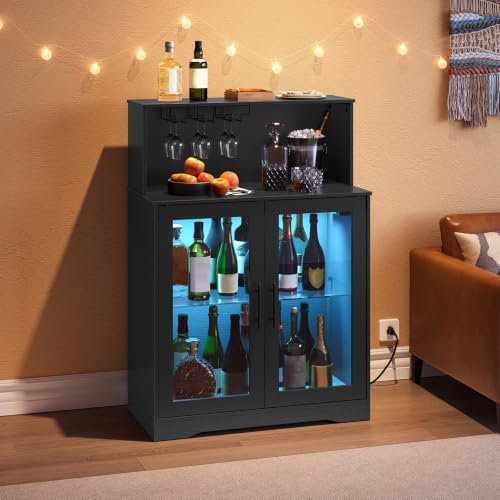
The budget benchmark: a rustic-industrial cabinet with wine storage, hanging glass rails, and a usable prep top that undercuts most of the category while keeping a sturdy steel frame.
🎯 Best Mid-Century
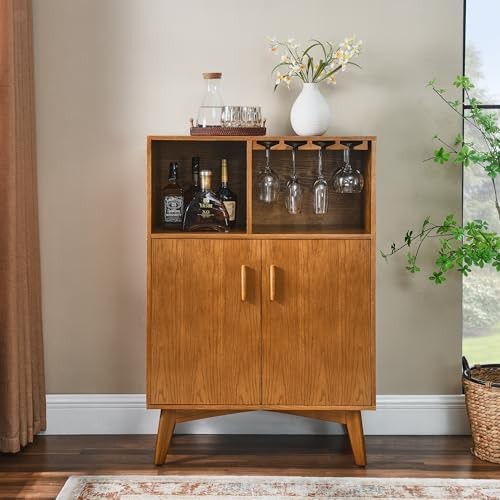
A leggy, warm wood-toned cabinet that reads as a proper piece of furniture, with doors that hide the working clutter. For rooms where the bar has to earn its place aesthetically.

More Picks for Specific Rooms and Styles
The top three cover most homes, but a bar cabinet lives or dies by how well it fits your particular room. These three picks solve narrower problems: statement styling, tight square footage, and flexible storage.
🚪 Best Statement Piece
A retro-styled cabinet from a brand with roots in record consoles, with a gold-accented frame and a warm finish that anchors a wall the way a sideboard does. For hosts who want the bar to be the room’s centerpiece.

🛋️ Best for Small Spaces
A compact cabinet with a smaller footprint and a clean mid-century look, sized for apartments and studio corners where a full-height unit would loom. Enough room for a starter collection and a set of glasses.
🧱 Also Great
A buffet-style sideboard with a wine rack and generous closed storage, for households that want the bar to double as dining-room storage and a serving surface at parties.

Setting Up the Inside
A bar cabinet works best when each zone has a job. Bottles you reach for weekly go at grab height, display-worthy bottles and good glassware go behind glass or on open shelves, and the awkward stuff, bulk mixers, napkins, backup tools, disappears into the closed lower section. Keep the mixing surface clear by default; a top that is already cluttered never gets used for actual mixing.
Tools deserve one dedicated tray or drawer so they stop migrating to the kitchen. If you are starting from scratch, our home bar essentials checklist covers the short list of gear that earns its space, and our step-by-step guide on how to organize a bar cabinet turns a jumble of bottles into a layout you can maintain.
Common Mistakes to Avoid
- Buying by photo instead of dimensions. Styled photography flatters every cabinet. Tape the footprint out on your floor, including door swing, before ordering.
- Ignoring interior fittings. An empty cube stores less usable gear than a smaller cabinet with racks and rails. Count bottle slots and stemware rails in the listing.
- Placing it in direct sun. Fades the finish, warms the contents, and makes glass doors a glare panel. Pick an interior wall.
- Skipping the anti-tip strap on tall units. Most tall cabinets ship with a wall anchor kit. Use it, especially with kids in the house.
- Overloading glass shelves. Glass display shelves have lower weight limits than wood. Heavy bottles belong on the wood shelves lower down.
- Assembling alone against the clock. Tall cabinets need two people at the tilt-up stage, and rushed bolts are why cheap cabinets wobble.
Where to Go From Here
If your collection leans toward wine, pair the cabinet with proper chilled storage; our guide to the best wine fridge covers sizes from countertop to full column, and the bar cabinet with wine fridge space roundup shows cabinets designed to host one. Prefer something mobile or more budget-friendly to start? The best bar cart guide covers the rolling alternative.
Frequently Asked Questions
What is the difference between a bar cabinet and a liquor cabinet? The terms overlap almost completely. Liquor cabinet usually emphasizes closed, sometimes lockable bottle storage, while bar cabinet suggests a fuller setup with glassware storage and a mixing surface. Most modern products serve both roles.
How tall should a bar cabinet be? There is no standard. Sideboard-height cabinets put the mixing surface at counter height, roughly comfortable for most adults, while tall units trade surface area for vertical storage. Check the listed dimensions against your wall and ceiling.
Can you store wine in a bar cabinet? For weeks to a few months, yes, ideally horizontal in a rack, away from sun and heat. For long-term storage or aging, a cabinet at room temperature is not ideal; our wine storage temperature guide explains the commonly recommended conditions.
Do bar cabinets need to be anchored to the wall? Tall, narrow cabinets should be. Most include an anti-tip kit, and using it is cheap insurance in any household, not just ones with children.
Is a bar cabinet worth it over a bar cart? If you have a permanent spot and more than a shelf of gear, a cabinet stores far more and looks more intentional. If you rent, move often, or host in different rooms, a cart is more flexible. Our comparison goes deeper.
What goes in a bar cabinet besides bottles? Glassware, mixing tools, a cutting board, napkins, and non-perishable mixers. Keep citrus and anything perishable in the kitchen, and give tools one dedicated tray so they stay findable.
The Bottom Line
The best bar cabinet is the one that fits your wall, your hosting habits, and your interior, in that order. A tall cabinet with racks and closed storage is the strongest all-round choice, compact and corner units solve small rooms, and mid-century or modern sideboards serve design-first spaces. Check real dimensions, insist on interior fittings, and anchor anything tall.