Last updated: August 12, 2026
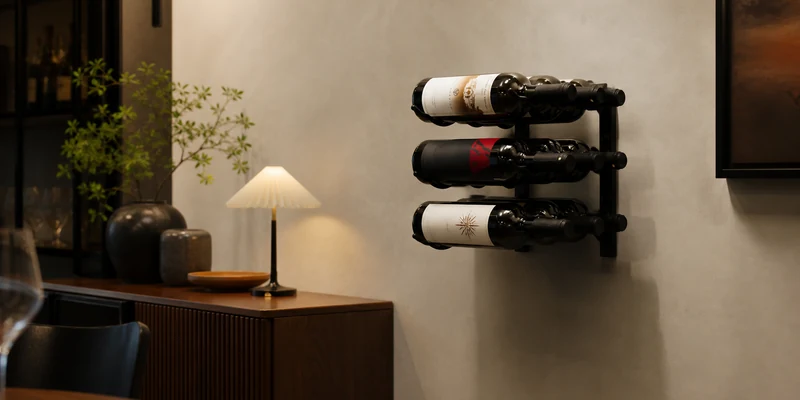
If you have ever saved a photo of a wine wall, bottles floating in neat columns, labels facing the room like a gallery hang, there is a good chance you were looking at a VintageView wine rack. The brand did more than anyone to popularize label-forward storage, and its wall systems have become the default answer when homeowners want wine display that looks architect-specified rather than bought.
This review looks at what VintageView actually gets right, where the system has honest limitations, and how it stacks up against its closest rival and the traditional alternatives, so you can decide whether the signature look is worth it for your wall.
This article contains affiliate links. If you buy through them, we may earn a commission at no extra cost to you. Learn more.
Quick Answer
Is a VintageView wine rack worth it?
- Yes, if display is the point: the label-forward metal rails are slim, expandable, and store bottles horizontally while turning them into the room’s centerpiece.
- Think twice if you just need capacity: per bottle, simple cradle racks and wooden shelving store the same wine for far less.
- Plan the install seriously: like any loaded wall rack, the rails need studs or properly rated anchors, and a cool, shaded wall.
VintageView at a Glance
| Profile | Details |
|---|---|
| Who is VintageView? | A Colorado-based wine storage company, widely credited with popularizing label-forward racking in homes, restaurants, and wine shops |
| Known for | The W Series: slim wall-mounted metal rails that hold bottles horizontally, one bottle deep, labels facing out |
| Materials | Steel rails in a range of metal finishes, from black to brushed and plated tones |
| How it mounts | Vertical rail pairs screwed to the wall; columns sold in multiple heights and capacities that stack into full walls |
| Ideal for | Display walls, under-stairs nooks, dining rooms, home bars, anyone building a “wine wall” |
| Where to buy | Through the brand’s own Amazon storefront, among other retailers |
What VintageView Gets Right
The core idea still wins: bottles stored side-on with labels facing the room look dramatically better than necks-out cradle storage, and the wine stays horizontal, which is the commonly recommended position for keeping natural corks in contact with the wine. The rails themselves are visually minimal, a few slim lines of metal, so the bottles do the decorating, and the single-bottle depth means the display reads cleanly from across a room.
The system also scales unusually well. Columns come in multiple heights, mount side by side, and follow awkward walls, stair slopes, and alcoves that would defeat fixed shelving; that flexibility is why the brand shows up so often in under stairs wine storage projects. Owners consistently describe the rails as sturdy once properly mounted, and the range of metal finishes lets the hardware match a modern kitchen or a traditional cellar equally well.
Where It Falls Short
The honest drawbacks are cost and capacity per wall. Label-forward storage is the premium way to hold a bottle: you are paying for design and finish, and a simple wooden or metal cradle rack stores the same case of wine for a fraction of the price. One bottle of depth also means a big collection needs a big wall; the format displays fifty bottles beautifully but is an expensive way to warehouse two hundred.
The other caveats are inherent to the format rather than flaws. Everything rides on installation quality, since a loaded column is heavy and the slim rails offer no forgiveness for lazy anchoring. And an open wall rack controls nothing about temperature or light, so the gorgeous wall in a warm, sunny room is a rotation display, not a cellar. Our wine storage temperature guide covers where that line runs.
How It Compares
VintageView’s closest rival is Ultra Wine Racks, the other name US installers reach for in label-forward projects. The two brands overlap heavily in look and quality tier; Ultra is best known for its peg-style systems, where bottles rest on projecting metal pegs, alongside rail designs of its own. Choosing between them usually comes down to finish options, availability, and which mounting style suits your wall, rather than one being clearly better.
Against traditional storage, the comparison is simpler: wooden racks and cradle systems win on price per bottle and warmth, label-forward metal wins on drama and slim depth. Many good setups split the difference, display wall for the showpieces, workhorse racks elsewhere; our wine rack guide maps out that division.
Check It Out
🏆 The Signature System
The W Series wall rack is the piece to start with: one label-forward metal column, expandable sideways and upward into as much wine wall as your studs can carry.

Who It’s For, and Who Should Skip It
Buy VintageView if the wine is part of the room’s design: a dining room feature wall, a home bar backdrop, the stair nook you have been saving photos of. It suits collectors who rotate through their display and hosts who want the bottles to open conversations. Renters with permission and one patchable wall are surprisingly well served too, since a couple of columns leave only screw holes behind.
Skip it if your priority is storing the maximum number of bottles per dollar, if drilling is off the table entirely, or if your only available wall catches sun or sits over a radiator. In those cases a freestanding rack or classic wooden shelving does the storage job better, and nobody has to see the compromise.
Alternatives Worth Considering
Three directions to go if the signature system is not quite the fit: the direct rival, the budget route, and the warm-material route.
⭐ The Direct Rival
Ultra Wine Racks offers the same label-forward philosophy with its own hardware language, best known for peg-style mounting. Compare finishes and formats before committing a whole wall to either brand.

💛 The Budget Route
A simple metal horizontal wall rack stores the same bottles safely for far less, labels sideways. The display drama drops; the function does not.

🌳 The Warm Route
A solid wood wall rack trades gallery minimalism for furniture warmth, a better match for traditional rooms and wooden kitchens.
Frequently Asked Questions
Does VintageView store wine correctly? Yes. The rails hold bottles horizontally, keeping the cork in contact with the wine, which is the commonly recommended practice for corked bottles. Temperature and light remain up to the wall you choose.
Is VintageView hard to install? The install is standard loaded-shelf work: find studs, screw the rail pairs in level, and load gradually. The full routine, including what to do when studs do not line up, is in our wall mounted wine rack guide.
VintageView or Ultra Wine Racks? They compete in the same tier with the same label-forward idea. Pick on finish, format (rails versus pegs), and availability for your wall size; owners report happy results with both.
How many bottles can a VintageView wall hold? Columns come in multiple heights and combine sideways, so walls scale from a few bottles to triple digits. Count roughly three pounds per full bottle when planning the mounting.
Can I use VintageView in a warm room? As display for bottles you will drink within months, yes. For long-term keeping, an open rack in a warm room works against the wine; see our wine storage temperature guide for the conditions that matter.
The Bottom Line
VintageView earns its reputation: the label-forward rails deliver the wine wall look with proper horizontal storage and real expandability, and the main costs are per-bottle price and dependence on a good install. If display is the point, it is the reference system; if capacity is the point, put the money into honest shelving instead.