Last updated: August 12, 2026
A wine rack for the wall does two jobs at once: it stores bottles without giving up an inch of floor or counter, and it turns those bottles into the best-looking thing in the room. That is why wall mounted wine racks show up in kitchen renovations, dining rooms, and home bars far more often than any other format lately.
It is also the only rack format where a mistake can end with wine on the floor and a hole in the drywall. This guide covers the styles worth considering, our favorite racks in each, and, just as important, how to mount them so they stay up. The installation section is not optional reading.
This article contains affiliate links. If you buy through them, we may earn a commission at no extra cost to you. Learn more.
Quick Answer
What should you look for in a wall mounted wine rack?
- Horizontal bottle position. Racks that hold corked bottles flat, including label-forward rail systems, follow the commonly recommended practice of keeping the cork in contact with the wine.
- Mounting you can trust. A standard full bottle weighs around three pounds, so a loaded 9-bottle rack carries well over 25 pounds. Screw into wall studs whenever possible, or use anchors rated far beyond the loaded weight.
- A wall away from sun and heat. The prettiest display wall is worthless if afternoon sun or a radiator sits on it.
Wall Wine Rack Styles Compared
Wall racks split into a handful of recognizable styles. The right one depends on whether you want the bottles to be the decor or just stored neatly off the floor.
| Style | Look | Strengths | Keep in mind |
|---|---|---|---|
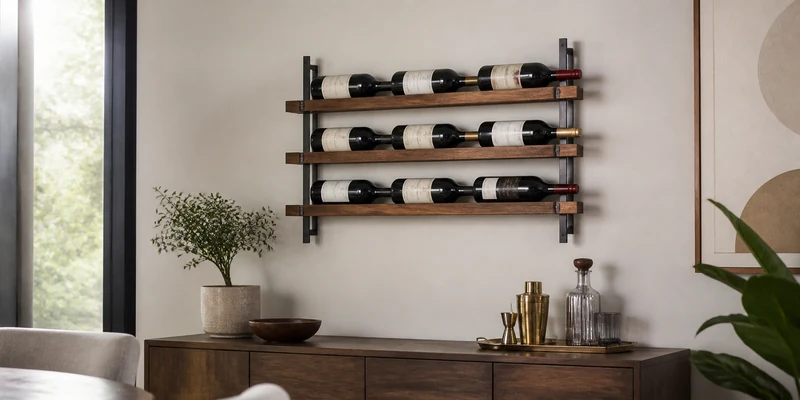
| Label-forward rails | Modern, gallery-like; labels face the room | Turns bottles into wall art; slim single-bottle depth; expands in columns | Metal rails demand accurate stud mounting; premium pricing |
| Horizontal cradle racks | Classic; bottles side-on in rows | Compact, affordable, easy to find in wood and metal | Labels face sideways, so less display value |
| Rack with stemware slots | Bar-corner utility | Bottles above, glasses hanging below; one unit makes a mini bar | Glasses add weight and swing; mount extra carefully |
| Floating shelves / hoop designs | Decorative, sculptural | Great for a few showcase bottles | Some hold bottles upright, fine only for short-term storage |
Whichever style you choose, remember the rack is storage first: bottles you plan to keep belong on their sides, in a spot that stays cool and shaded. The reasons are covered in our wine storage temperature guide.
The Weight Math Nobody Puts on the Box
Here is the part product pages gloss over. A standard 750 ml bottle of wine weighs roughly 2.6 to 3 pounds once you count the glass, and heavier sparkling bottles run more. That means a modest 9-bottle rack is holding around 25 pounds of bottles before you add the rack’s own weight, and a showpiece wall of several columns can easily pass 100 pounds. This is bookshelf territory, not picture-frame territory.
The good news: walls handle this fine when the load goes into the framing. Wood studs, typically spaced 16 inches on center in US homes, are exactly what shelf-level loads are meant to hang from. The failures you see in reviews almost always trace back to small plastic anchors in bare drywall, which were never designed to carry a slowly loaded, occasionally bumped rack of glass.
How to Mount a Wine Rack Safely
The safe install is not complicated, it is just non-negotiable. Work through it in this order:
- Find the studs. Use a stud finder, confirm with a small test hole or the knock test, and mark the centers. Plan the rack position around the studs, not the other way around.
- Screw into wood whenever you can. Wood screws or lag screws driven into stud centers are the strongest common option and the one most rail-system makers assume.
- No stud where you need one? Use heavy-duty hollow-wall anchors, such as toggle-style bolts, rated well above your loaded weight, and treat the manufacturer’s rating as a ceiling, not a target. Skip lightweight plastic expansion plugs entirely.
- Brick or concrete? Drill with a masonry bit and use masonry anchors. Solid walls carry weight beautifully once the right anchor is in.
- Check level, then load gradually. Mount, tug hard on the empty rack, load a few bottles, and check again the next day before filling it completely.
Renters should ask before drilling, but note that a stud-mounted rack leaves only a few screw holes, an easy patch when you move out. If drilling is truly off the table, a freestanding wine rack delivers the capacity without touching the wall.
Our Top Wall Mounted Picks
How we chose: we compared widely available wall racks on mounting hardware, bottle support, material quality, and how consistently owners report clean installs and no sagging over time. We rely on specifications and recurring review themes, not our own testing.
A quick objection handled: yes, label-forward systems cost more per bottle than simple cradles. Owners who buy them almost never regret it, because the display is the point. If you just need bottles off the counter, the value pick below does that for far less.
🏆 Best Overall
VintageView’s label-forward metal rail is the reference point of the category: slim, expandable in columns, and it stores bottles horizontally while showing the room what you are cellaring. Sold through the brand’s own Amazon storefront.

💛 Best Value
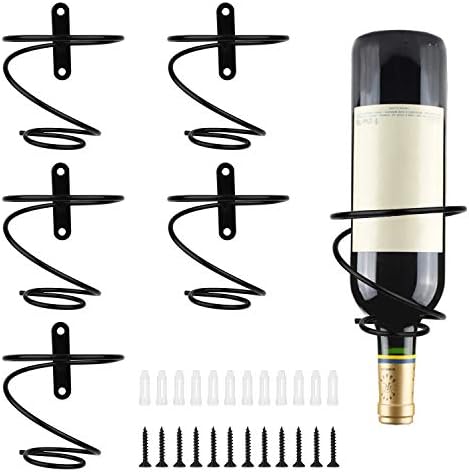
A simple metal horizontal cradle rack that gets a case of wine onto the wall for a fraction of the rail-system price. Not a showpiece, just honest storage that mounts in half an hour.

🍷 Best for a Bar Corner
A Sorbus wall unit that combines bottle storage with hanging stemware slots, turning one patch of wall into a compact serving station above a cart or sideboard.

Two More Worth a Look
Beyond the top three, two formats fill real gaps: warm wood for rooms where metal feels cold, and a small sculptural piece for people displaying a few bottles rather than storing a collection.
🌳 Best in Wood
A wall-hung wooden rack that brings the warmth of a wood wine rack to the vertical plane. Choose solid wood over veneer here; the fasteners bite better and the rack ages instead of chipping.
✨ Also Great
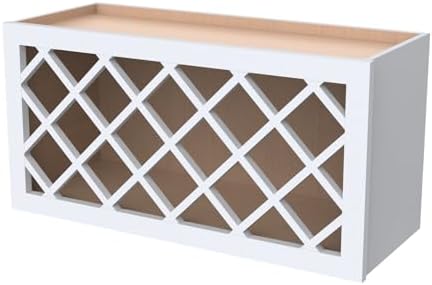
A small decorative wall rack for four to six bottles that reads as sculpture between artworks. Perfect for a hallway or dining nook where a full bottle wall would shout.
Where on the Wall? Placement That Protects the Wine
Pick the wall the way you would pick a cellar corner. Interior walls beat exterior ones for temperature stability, and any wall that catches direct sun is out: sunlight is hard on wine and bleaches labels besides. Keep clear of radiators, ovens, and heat vents, and think about traffic; a rack at shoulder height beside a doorway will eventually meet a shoulder.
Height is a comfort question. Bottles between waist and eye level are easy to browse and safe to lift down, while anything above head height turns every bottle into a small overhead press. If you are lucky enough to have an empty angled wall under a staircase, that dead zone is the natural home for a full display install; our under stairs wine storage guide shows what that can look like.
Common Mistakes to Avoid
- Anchoring into bare drywall with light plastic plugs. The number one cause of fallen racks. Studs first, rated heavy-duty anchors second, nothing third.
- Underestimating the loaded weight. Count roughly three pounds per bottle, then add the rack and any glasses. Size the fixings for the full number.
- Mounting on the sunny wall. The display looks great at noon and the wine suffers all summer.
- Choosing upright-display designs for keepers. Sculptural racks that stand bottles up are fine for this month’s wine, not for aging corked bottles.
- Forgetting bottle diameter. Rail and cradle spacing sized for Bordeaux bottles can pinch Champagne and Pinot shapes. Check the spacing spec.
- Loading it full on day one. Mount, load partially, and re-check the fixings after a day under weight.
Frequently Asked Questions
How much weight can a wall mounted wine rack hold? That depends less on the rack than on the mounting. Screwed into studs, most quality racks hold their advertised capacity with margin. In drywall alone, even a strong rack is only as good as its anchors, so use heavy-duty anchors rated well beyond the loaded weight.
How heavy is a full bottle of wine? A standard 750 ml bottle weighs roughly 2.6 to 3 pounds with the glass; sparkling wine bottles are heavier still. A loaded 12-bottle rack therefore carries in the neighborhood of 35 pounds.
Do wall racks store wine properly? Horizontal and label-forward designs do: the bottle lies flat, keeping the cork wet, which is the commonly recommended practice. Just keep the rack out of sun and away from heat. For long-term aging, a temperature-controlled cabinet is the safer bet; see our wine storage temperature guide.
Can I install a wine rack without drilling? Not safely at any real capacity. If drilling is impossible, choose a freestanding rack or a countertop model instead of trusting adhesive hooks with glass bottles.
Is VintageView worth it? For a display wall, owners consistently say yes: the rails are slim, sturdy, and expandable. We take a full look at the brand, and at its closest rival Ultra Wine Racks, in our VintageView wine rack review.
How high should a wine rack be mounted? Keep the bottles you reach for between waist and eye level. Higher rows are fine for display and slow movers, but lifting bottles down from above head height gets tiresome and risky.
The Bottom Line
A wall mounted wine rack is equal parts storage and statement, and the statement only works if the storage is anchored right. Pick a style that keeps corked bottles horizontal, mount into studs or properly rated anchors, and give the display a cool, shaded wall. Do the weight math before you drill and the rack will outlast every bottle on it.